Table of Contents
ToggleWall sconces have evolved far beyond basic bathroom lighting. Today’s luxury wall sconces are architectural statements that define a room’s character, from the bedroom to the living room to the entryway. Unlike overhead fixtures, these mounted lights provide layered illumination while adding visual interest and sophistication to any space. Whether you’re renovating a master bedroom or updating a hallway, understanding how to select and install quality wall sconces can transform your home’s ambiance and resale appeal. This guide walks you through everything you need to know to choose the right luxury wall sconces for your project.
Key Takeaways
- Luxury wall sconces are permanent architectural fixtures that provide layered illumination and visual sophistication, transforming a room’s character while improving perceived luxury and resale appeal.
- Choose luxury wall sconces proportional to your space—width should be one-quarter to one-third the width of the surface they illuminate—and mount them at correct heights: 60–66 inches in bathrooms, 30–36 inches above bedroom nightstands.
- Quality materials like solid brass, powder-coated finishes, and heavy-gauge metal distinguish luxury sconces from mass-produced alternatives and ensure durability that lasts 10–20 years.
- Modern and minimalist luxury wall sconce designs favor clean lines and brushed brass finishes, while classic transitional styles blend vintage silhouettes with contemporary materials for versatile home integration.
- Verify bulb compatibility, dimming capability, and electrical rough-in requirements before purchasing, as many luxury sconces require specific LED wattage or integrated bulbs that cannot be replaced.
What Are Luxury Wall Sconces and Why They Matter
Luxury wall sconces are mounted light fixtures that attach directly to the wall, typically flanking bathroom mirrors, above nightstands, or along hallways and entryways. Unlike pendant lights that hang from the ceiling, sconces are permanent installations that blend form and function. A quality wall sconce combines upscale materials, brushed brass, polished nickel, crystal, or hand-blown glass, with refined design that complements your décor.
What separates luxury sconces from basic fixtures? Craftsmanship. Premium sconces use heavy-gauge metal, precision-molded shades, and robust internal mechanisms that outlast mass-produced alternatives. They also hide wiring neatly within the wall, creating clean sight lines that enhance any room’s polish. From a practical standpoint, sconces provide focused task lighting (ideal for bathroom vanities) and ambient illumination that makes spaces feel more intentional and layered.
Homeowners often underestimate the impact of lighting on perceived luxury. A well-chosen sconce paired with quality bulbs can elevate even modest rooms, while poor lighting choices drag down expensive finishes. Sconces also add flexibility to your lighting scheme without requiring ceiling rewiring, which matters if you’re working with plaster walls, vintage wiring, or structural constraints. They’re durable investments that typically last 10–20 years with proper installation and maintenance.
Popular Styles and Design Trends
Modern and Minimalist Designs
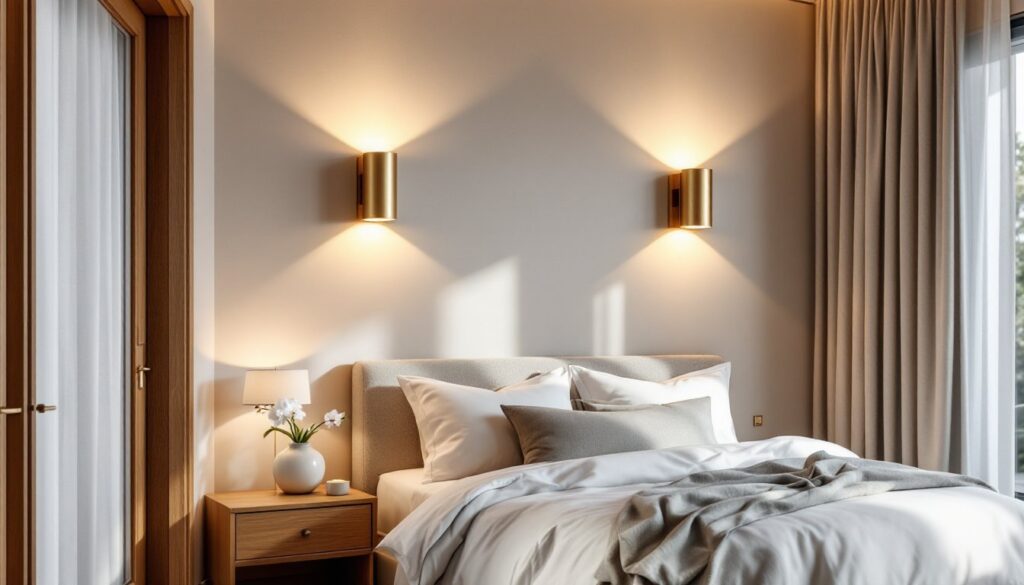
Contemporary luxury sconces favor clean lines, geometric forms, and understated color palettes. Think brushed brass cylinders, sculptural iron shapes, or polished chrome globes that make a statement through silhouette rather than ornamentation. Many modern designs feature asymmetrical arms, adjustable heads, or artistic cantilevered brackets that double as visual elements. Finishes like matte black, champagne bronze, and warm nickel dominate high-end collections.
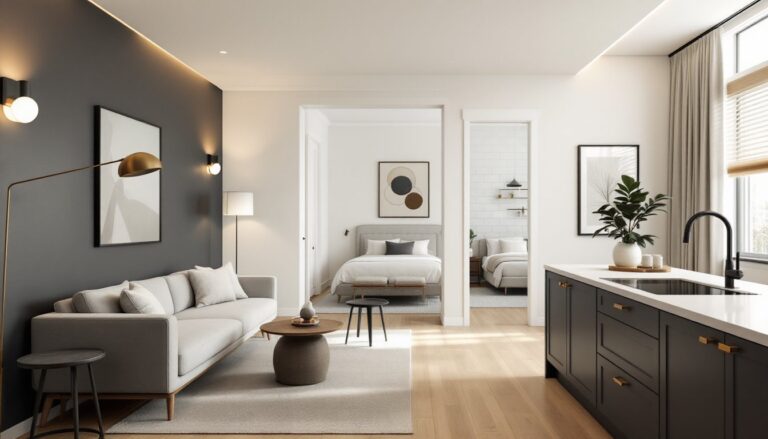
Minimalist sconces work best in open-concept homes, kitchens, and bedrooms where visual clutter is the enemy. They pair beautifully with white walls, natural wood, and modern furnishings. The trend toward industrial and Scandinavian aesthetics has made bare-bulb sconces and Edison-style filament lights popular again, especially in lofts and farmhouse transitional homes. When selecting a modern sconce, check the bulb type and wattage requirements, many luxury fixtures use specific LED or halogen bulbs that can’t be swapped for standard incandescent models.
Classic and Transitional Elegance
Traditional luxury sconces draw from centuries of design: candle-style arms, crystal prisms, fabric shades, and ornamental metalwork. Classic finishes include polished brass, oil-rubbed bronze, and antique gold. Transitional sconces blend vintage silhouettes (think candelabra-shaped arms) with contemporary materials and proportions, making them versatile for homes that mix period and modern elements.
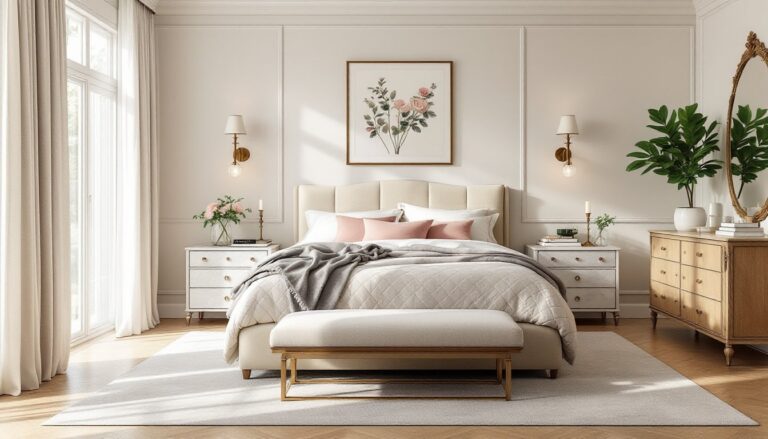
Classic designs excel in formal entryways, dining rooms, and master bedrooms where elegance matters. A pair of matching sconces flanking a mirror or above a console creates symmetry and intentionality. The challenge here is avoiding dated or overly ornate choices, look for restraint in detailing and proportion. Interior designers at sites like Home Bunch frequently showcase how timeless sconce designs anchor sophisticated spaces. Consider the scale: oversized ornate sconces overwhelm small rooms, while delicate traditional fixtures can look wimpy in grand spaces. Pair classic sconces with quality shade materials (linen, silk) that filter light evenly and age gracefully.
How to Choose the Right Luxury Wall Sconce for Your Home
Assessing Room Size and Layout
Before you select a sconce style, measure your space carefully. Wall sconces should be proportional to the wall and room dimensions, a large, ornate fixture in a tight powder room looks clownish, while a petite minimalist sconce in a sprawling master bedroom disappears. A practical rule: sconce width should be one-quarter to one-third the width of whatever it’s illuminating (mirror, bed, console).
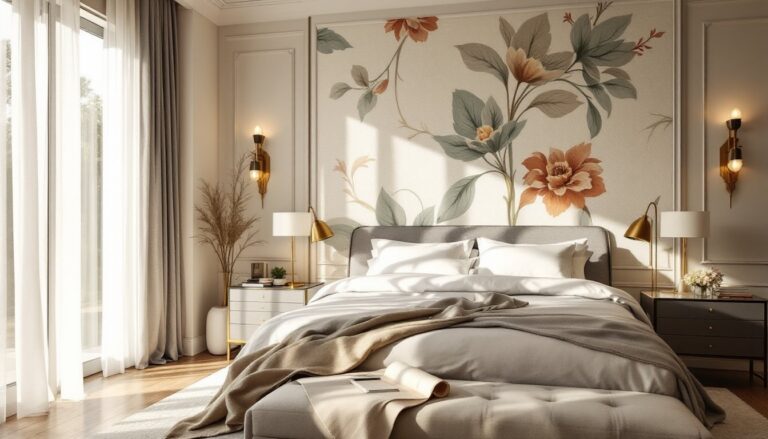
Placement matters just as much as size. In bathrooms, mount sconces at eye level (typically 60–66 inches from the floor) on either side of the mirror to minimize shadows and flattering light on the face. In bedrooms, pair sconces with nightstands at a height that allows reading without glare in your eyes (usually 30–36 inches above the nightstand surface). Hallways and entryways benefit from evenly spaced sconces, roughly 6 feet apart, that create rhythm and safe pathways.
Think about wall construction, too. You’ll need to locate studs or use heavy-duty anchors to support the sconce weight, especially for crystal or multi-arm fixtures (many weigh 5–15 pounds). If you’re working with vintage plaster walls or textured finishes, confirm that the mounting bracket can accommodate uneven surfaces. Pro tip: use a stud finder and mark potential mounting points before committing.
Material Quality and Finishes
Luxury sconces justify their price through material density and finish durability. Brass (solid or plated) is the gold standard, it ages beautifully and resists tarnish when properly finished. Nickel, chrome, and bronze offer modern aesthetics and lower maintenance. Cast iron and steel provide industrial weight, while aluminum keeps costs down but feels lightweight.
Finish type determines longevity. Powder-coated finishes resist moisture and fingerprints better than bare metal, which matters in bathrooms and kitchens. Oil-rubbed bronze and antique gold can show fingerprints but develop character over time. Polished finishes demand regular cleaning to maintain shine. If maintenance concerns you, matte or brushed finishes hide dust and fingerprints longer than glossy alternatives.
Glass and shade materials affect both light quality and maintenance. Clear or frosted glass diffuses light evenly and hides dust, while fabric shades (linen, silk) absorb light and age, they eventually fade or stain unless professionally cleaned. Ceramic, resin, and molded acrylic offer durability and cleanability. Resources like Design Milk frequently review high-end sconce products and material choices, helping you understand what separates a $100 fixture from a $500 one. When evaluating a sconce, feel the weight and heft of the fixture in your hands, quality construction is palpable. Check whether replacement shades and parts are available: luxury doesn’t mean proprietary.
Bulb compatibility is worth investigating before purchase. Many luxury sconces are designed for warm-white LEDs (2700K color temperature) to mimic incandescent warmth, but you’ll want to confirm wattage limits and whether dimming is supported. Some premium fixtures include integrated LEDs that can’t be replaced, which affects long-term value. Finally, assess the electrical rough-in: existing wiring may determine whether you can place a sconce exactly where you want it, or whether you’ll need to call a licensed electrician to run new circuits. The best sconce in the world won’t enhance your home if installation becomes a nightmare. The 11 best plug-in wall sconces featured by ELLE DECOR offer flexibility for renters or those avoiding rewiring.