Imagine stepping into a bedroom that feels like a serene retreat rather than a chaotic storage unit. A minimalist bedroom does just that. With its clean lines and clutter-free surfaces, it creates a calming oasis that invites relaxation and rejuvenation. Who wouldn’t want to wake up in a space that feels more like a spa than a tornado aftermath?
Embracing minimalism isn’t just about tossing out old socks and calling it a day. It’s a lifestyle choice that transforms how one interacts with their space. By prioritizing functionality and aesthetics, a minimalist bedroom can help anyone sleep better, think clearer, and maybe even find that missing sock. So, if you’re ready to simplify your sanctuary and reclaim your peace of mind, let’s dive into the art of minimalist bedroom design.
What Is a Minimalist Bedroom?
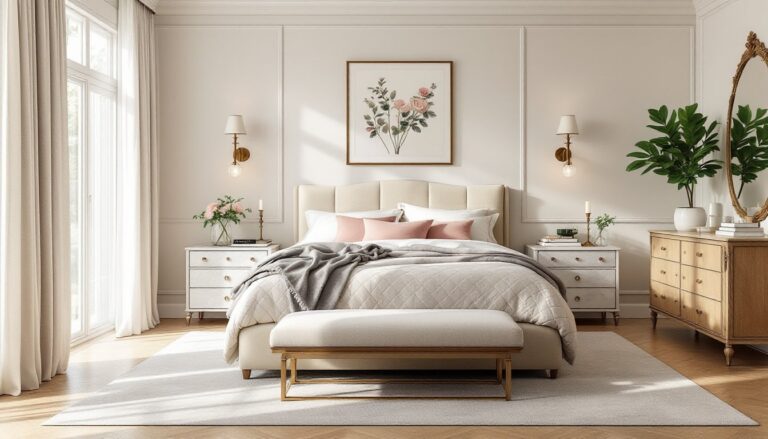
A minimalist bedroom embodies simplicity and tranquility, focusing on essential elements. It minimizes clutter while maximizing functionality and aesthetic appeal. This design approach promotes a calm atmosphere that enhances relaxation and promotes better sleep quality.
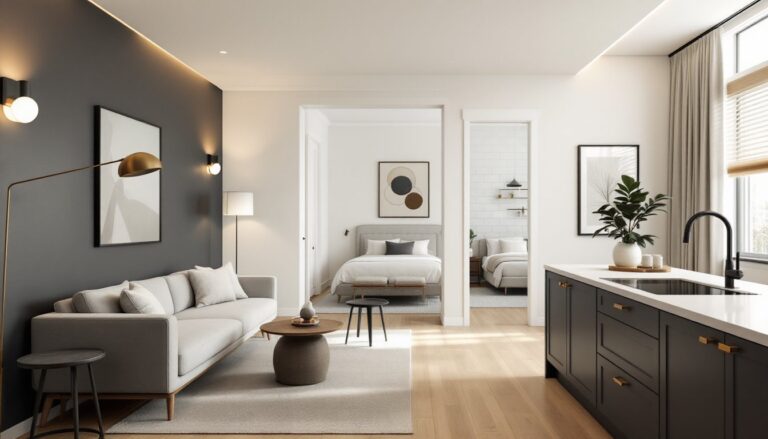
Minimalist bedrooms often feature a limited color palette, typically neutral tones like white, beige, or gray. Incorporating natural materials like wood or cotton adds warmth without overwhelming the space. The furniture selection embraces clean lines and forms, with multipurpose items enhancing utility without sacrificing style.
Decluttering remains a core principle in a minimalist bedroom. Each item serves a purpose or brings joy, aligning with a mindful lifestyle choice. The absence of excess creates breathing room, allowing the mind to rest and recharge.
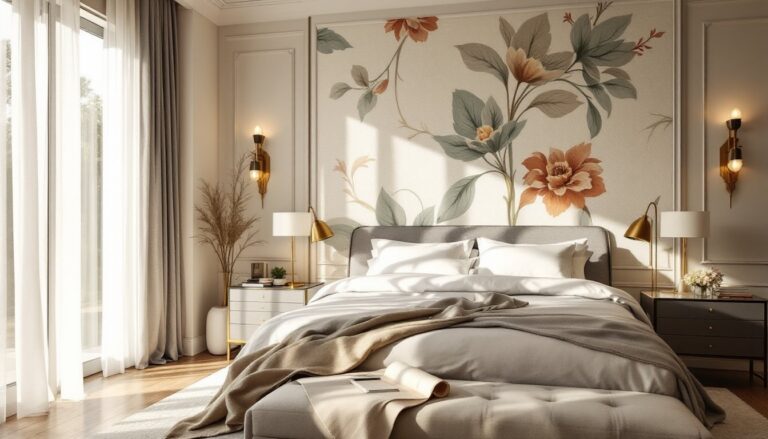
Natural light plays a crucial role in defining a minimalist bedroom. Large windows or sheer curtains enable sunlight to fill the room, enhancing the sense of openness. Incorporating plants adds an organic touch while promoting air quality.
Storage solutions also reflect the minimalist ethos. Hidden compartments and under-bed storage ensure items remain organized and out of sight. This organization contributes to the room’s serene environment, eliminating distractions.
In drawing from minimalist principles, one creates a haven that nurtures mental clarity and peace. Stripping away unnecessary elements establishes a space dedicated to relaxation and personal growth. Embracing a minimalist bedroom signifies a commitment to a harmonious lifestyle where simplicity reigns supreme.
Benefits of a Minimalist Bedroom
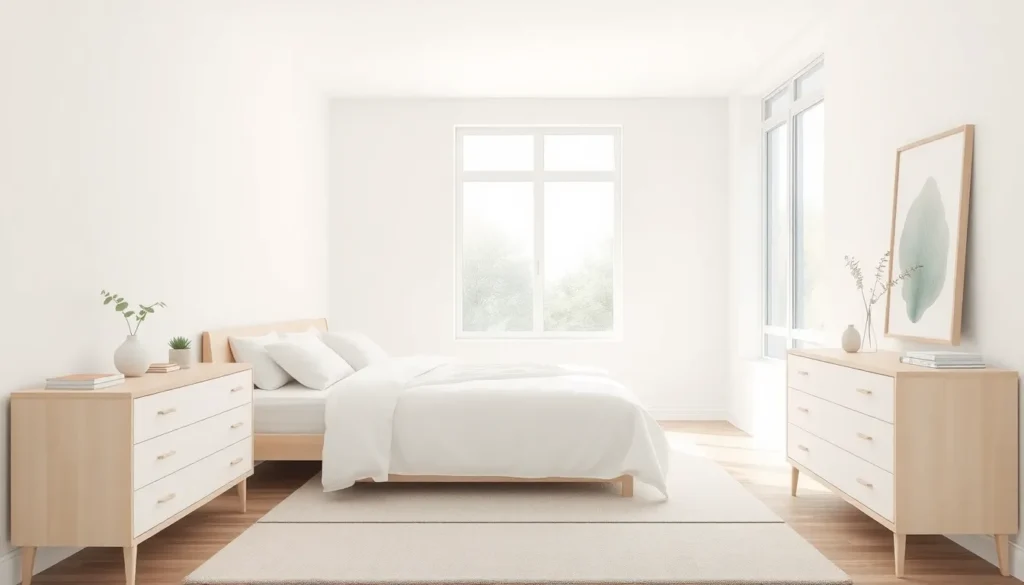
A minimalist bedroom provides various advantages that contribute to a peaceful living space. Prioritizing essential elements fosters clarity and focus.
Enhanced Focus and Productivity
Reduced distractions in a minimalist bedroom lead to heightened focus. Clean lines and uncluttered surfaces create an environment conducive to studying and working. A clear work area stimulates creativity and encourages productivity. Without unnecessary items competing for attention, individuals can better concentrate on tasks at hand. Minimalism reinforces a mindset where clarity replaces chaos, allowing for more efficient time management. The simplicity cultivates a calming atmosphere, promoting mental well-being and enhancing overall performance.
Easier Maintenance and Cleaning
Less clutter simplifies maintenance routines in a minimalist bedroom. With fewer items to manage, cleaning becomes less time-consuming and more efficient. Quick dusting and occasional sweeping suffice to maintain a tidy space. Items stored discreetly contribute to a streamlined appearance, minimizing the likelihood of messes. During deep cleaning, straightforward access to surfaces allows for thorough sanitation. The straightforward design supports a lifestyle focused on sustainability and mindfulness. Efficient upkeep paves the way for a tranquil environment that fosters relaxation and restful sleep.
Key Elements of Minimalist Bedroom Design
A minimalist bedroom emphasizes simplicity and tranquility. Key elements facilitate a serene environment conducive to relaxation.
Color Palette and Lighting
Neutral tones dominate the color palette, providing a calming backdrop. Shades like whites, grays, and beiges create an open feeling. Natural light plays a significant role, with large windows or sheer curtains inviting sunshine indoors. Soft, ambient lighting enhances the atmosphere during the evening. Layering light sources, such as floor lamps or wall sconces, promotes warmth without clutter.
Furniture and Layout
Clean-lined furniture forms the backbone of minimalist design. Multi-functional pieces maximize utility while minimizing space usage. A platform bed offers simple elegance and storage options beneath. The layout prioritizes movement, ensuring easy navigation around the room. Placing furniture to create clear pathways fosters a sense of openness and balance.
Decor and Accessories
Minimal decor aids in maintaining a clutter-free space. A few well-chosen accessories elevate the design without overwhelming it. Consider incorporating organic materials, such as wood or stone, to add warmth. Plants contribute both aesthetic value and improve air quality. Each item should serve a purpose, reinforcing the room’s simplicity and functionality.
Tips for Creating a Minimalist Bedroom
Creating a minimalist bedroom requires strategic decisions that enhance simplicity and tranquility. Implementing effective decluttering techniques and selecting functional furniture are key components of this process.
Decluttering Techniques
Start by identifying items that don’t serve a purpose or don’t bring joy. Shedding unnecessary items creates open space and promotes a calm atmosphere. Gradually tackle one area at a time, such as a dresser or nightstand. Establish specific categories such as keep, donate, or discard, simplifying the overall decision-making process. Avoid keeping duplicates, as they contribute to clutter. Utilize storage solutions like baskets or boxes to conceal rarely used items, ensuring they remain out of sight. Regularly reassess belongings to maintain a clutter-free environment, allowing a sense of peace to flourish.
Choosing Functional Furniture
Selecting furniture with purpose enhances a minimalist bedroom’s efficiency. Opt for pieces that serve multiple functions, like a bed with built-in storage or a nightstand that doubles as a desk. Prioritize clean lines and simple designs to maintain a cohesive look. Furniture should complement the color palette while maximizing space. Choose lightweight items that are easy to move, allowing for a flexible layout. Consider modular or foldable options for versatility in smaller areas. Lifestyle preferences drive choices, so select furniture that reflects personal needs while minimizing visual clutter.
Embracing a minimalist bedroom design can transform personal spaces into havens of peace and clarity. By prioritizing simplicity and functionality, individuals can create an environment that fosters relaxation and enhances overall well-being. The thoughtful selection of furniture and decor not only minimizes distractions but also contributes to a more mindful lifestyle.
As one adopts the principles of minimalism, the benefits extend beyond aesthetics, leading to improved focus and productivity. A serene bedroom allows for restful sleep and rejuvenation. With a few intentional choices, anyone can cultivate a minimalist sanctuary that nurtures both the mind and spirit, encouraging a balanced and harmonious way of living.