Table of Contents
ToggleOutdoor living has transformed dramatically over the past few years, and one element that once felt like a compromise, the portable bathroom, has undergone a luxury makeover. Gone are the days of cramped, utilitarian porta-potties that nobody wanted near their property. Today’s high-end portable bathrooms rival the comfort and style of indoor facilities, making them essential fixtures for homeowners hosting events, managing acreage with guest quarters, or investing in luxury container homes and similar premium properties. Whether you’re planning a backyard wedding, constructing a guest pavilion, or setting up a glamping retreat, understanding what separates a basic portable unit from a luxury portable bathroom ensures you make an informed choice that enhances rather than detracts from your outdoor space.
Key Takeaways
- A luxury portable bathroom combines premium materials, modern plumbing fixtures, and thoughtful design to rival indoor facilities—making it ideal for events, guest properties, and glamping retreats.
- Essential features that define luxury models include oversized greywater tanks (400–800 gallons), pressure-regulated water systems with built-in heaters, powered ventilation with humidity sensors, and climate control options that maintain year-round comfort.
- High-end materials like steel-reinforced aluminum frames, copper or PEX plumbing, porcelain fixtures, and stainless steel hardware ensure durability and graceful aging compared to standard portable bathrooms.
- Proper site preparation—including level concrete pads, correct grading for water drainage, and dedicated electrical circuits (30-amp minimum)—is critical to prevent fixture damage and ensure long-term performance.
- Consistent maintenance routines and professional servicing every 1–2 years extend the lifespan of luxury portable bathrooms by 5+ years and protect your investment in outdoor amenities.
- Consider your specific use case: occupancy frequency, climate conditions, and permanence of installation determine whether you need single-stall models, enhanced insulation, or advanced waste treatment systems.
What Defines a Luxury Portable Bathroom
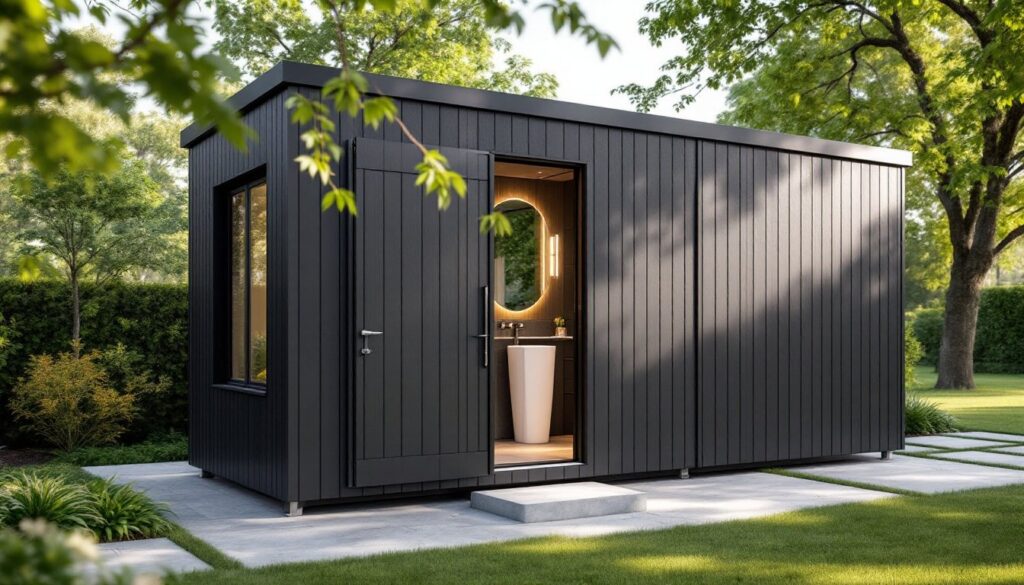
A luxury portable bathroom isn’t just a larger version of a construction site outhouse. It’s a self-contained facility engineered with premium materials, modern plumbing fixtures, and design aesthetics that feel intentional rather than temporary. The core distinction lies in build quality, interior layout, and attention to user experience.
Luxury units typically include full-size fixtures, proper sinks with hot and cold running water, flush toilets with modern waste systems, and sometimes even heated seats or bidets. Storage capacity is significantly larger, reducing maintenance frequency. Climate control features, such as ventilation systems and optional heating, keep the space comfortable year-round. Interior finishes use durable, high-end materials like stainless steel, porcelain, and solid cabinetry rather than plastic or thin plywood.
What separates them from standard portable bathrooms is accessibility and durability. Many luxury models meet ADA compliance standards, feature slip-resistant flooring, and include grab bars and wider doorways. They’re built to last seasons, not days, with heavy-duty construction that withstands regional weather extremes and regular use.
Key Features That Set Premium Options Apart
Premium portable bathrooms share several hallmark characteristics that justify their higher price point and deliver measurable value over time.
Plumbing and Water Systems rank first. Luxury units feature 1/2-inch supply lines with pressure-regulation valves, ensuring consistent water flow and preventing pressure spikes that damage fixtures. Built-in water heaters, either propane-powered or electric, deliver hot water instantly, a comfort feature absent in basic models. Greywater tanks are oversized (typically 400–800 gallons), reducing service calls. Black water tanks use enzyme-based or aerobic treatment systems that neutralize odors and break down waste more effectively.
Ventilation and Climate systems are engineered, not afterthought. Premium units include powered exhaust fans with humidity sensors, preventing mold and maintaining air quality. Some offer optional mini-split heating and cooling units, keeping interiors comfortable between 55–75°F even in extreme weather. This matters for events spanning multiple days or installations in harsh climates.
Luxury finishes and fixtures define the experience. Expect LED lighting with dimmer controls, mirrors with defog systems, porcelain pedestal sinks (not plastic bowls), and soft-close cabinet doors. Flooring materials range from luxury vinyl plank to natural stone tiles, all sealed for durability and easy cleaning. Countertops use quartz or solid surface materials that resist staining and scratching.
High-End Materials and Finishes
The exterior shell dramatically affects longevity and curb appeal. High-end portable bathrooms use steel-reinforced aluminum frames with double-wall insulation (typically 2–4 inches thick), superior to single-wall construction. Siding options include powder-coated aluminum, composite wood cladding, or stone veneer, finishes that age gracefully rather than degrade. Roofing uses reinforced membrane or architectural shingles instead of flat rubber, shedding water reliably and lasting 10+ years.
Interior walls employ moisture-resistant drywall or engineered plastic composites that resist mildew. Plumbing lines are copper or PEX tubing (cross-linked polyethylene), both superior to basic PVC for reliability and temperature stability. Hardware, hinges, handles, towel bars, is typically stainless steel or powder-coated metal, not plastic.
Choosing the Right Luxury Portable Bathroom for Your Space
Selecting the right model requires assessing your specific use case, site conditions, and long-term needs.
Start with occupancy and frequency. A luxury unit serving occasional guests at a weekend retreat differs fundamentally from one supporting a full-time glamping operation or multi-day event venue. Calculate expected daily users and service intervals, units with larger tanks and advanced waste treatment can extend service cycles from weekly to bi-weekly. If hosting events, single-stall models work for small gatherings: larger properties or commercial applications benefit from double or triple-stall configurations with separate male/female facilities.
Site accessibility and infrastructure matter significantly. Luxury units weigh 8,000–15,000 pounds fully plumbed: verify your property can accommodate delivery trucks and that ground conditions support the weight (soft soil may require a reinforced pad or crushed stone base). Confirm electrical availability, units with heating, hot water, and lighting require 30-amp RV-style hookups or dedicated 120/240V circuits. If off-grid, solar-capable models with battery backup exist but cost substantially more.
Climate and duration of use dictate material and system choices. Cold regions demand tank insulation, heat tape on exposed lines, and backup heating to prevent freezing. Humid coastal areas require enhanced ventilation and corrosion-resistant hardware. Temporary installations (2–4 months) tolerate simpler systems: permanent or seasonal setups justify investing in robust climate control and superior drainage. Reviews and case studies on platforms like Homify showcase real installations in varied climates, study similar projects before deciding.
Installation and Setup Considerations
Professional installation is strongly recommended for luxury portable bathrooms, particularly units exceeding 10 feet in length or requiring permanent utility connections.
Site preparation is non-negotiable. The foundation must be level (within 1/4-inch over 10 feet) to prevent fixture misalignment, water pooling, or structural stress. Pour a concrete pad, deploy crushed stone with landscape fabric, or use adjustable foundation blocks depending on permanence and site conditions. Allow the ground to settle for 48 hours before delivery if using new fill. Confirm grading directs surface water away from the unit, standing water accelerates corrosion and creates safety hazards.
Utility connections require care. Water supply lines should include a shutoff valve and sediment filter, hard water or sediment damages premium fixtures and plumbing valves. Electrical hookup demands a dedicated circuit with proper amperage: undersized circuits cause equipment failure and fire risk. Verify local building codes: some jurisdictions classify permanent or semi-permanent portable bathrooms as structures requiring permits, foundation inspections, or setback distances from property lines and water sources.
Delivery and positioning demand coordination. Schedule delivery when site conditions are firm (avoid after heavy rain). Have a clear path free of obstacles, low-hanging branches, or utilities. Position units to maximize privacy and minimize sightlines from neighbors’ properties. Ensure adequate clearance around doors and maintenance panels, you’ll need access for servicing.
Once positioned, test all systems before use: run water through all fixtures, verify drainage, check heating and ventilation, and inspect for leaks. Don’t skip this step: catching issues early prevents water damage or guest dissatisfaction.
Maintenance Tips for Long-Lasting Performance
Luxury portable bathrooms justify their cost through durability, but only with consistent maintenance, think of it like owning a premium vehicle rather than a disposable tool.
Weekly tasks include emptying or monitoring waste tanks (frequency depends on occupancy), restocking supplies, and doing a quick visual inspection for leaks or damage. Check that ventilation fans run cleanly and that drains aren’t clogged. Wipe down surfaces with bathroom-safe cleaners: avoid abrasive scrubbers on premium finishes.
Monthly maintenance involves flushing and treating black and greywater tanks with enzyme treatments (products like RV tank treatments prevent odor and break down solids effectively). Inspect exterior seals around doors, windows, and roof penetrations: UV exposure and weathering degrade caulking over time. Test electrical systems and heating elements to confirm proper operation. Clean filters and check that water lines remain insulated in cold climates.
Seasonal deep cleaning is essential. Before winter, if units aren’t heated, drain all water lines using compressed air to prevent freeze damage. Winterize grey and black tanks with RV antifreeze. Inspect and reseal the exterior roof with membrane patching material if any cracks appear. Before summer use, deep-clean all surfaces, confirm air conditioning or ventilation works reliably, and replace any worn door seals.
Professional servicing every 1–2 years catches hidden wear: technicians check plumbing pressure regulators, inspect the integrity of tanks, test septic systems, and verify structural components. This preventive approach extends unit lifespan by 5+ years compared to reactive repairs.
Store units with propane shut off at the tank and all access doors unlocked to prevent moisture trapping. Keep documentation of service records: they’re valuable if you sell or lease the unit.
Conclusion
Investing in a luxury portable bathroom transforms how you use and monetize outdoor space. Whether it’s accommodating guests on luxury modular homes properties, hosting premium events, or supporting a glamping business, these units deliver comfort and functionality that justify their price. Prioritize quality materials, robust plumbing systems, and climate control features appropriate to your climate. Plan installation carefully with proper site prep and utility connections, then commit to regular maintenance. Done right, a luxury portable bathroom becomes an asset that enhances property value, guest experience, and your peace of mind for years to come.