Table of Contents
ToggleA master bathroom isn’t just a functional space anymore, it’s a personal retreat where homeowners escape the chaos of daily life. Whether you’re renovating an existing bathroom or designing one from scratch, the layout determines everything: how natural light flows, where fixtures sit, and whether the space feels cramped or luxurious. High-end master bathroom floor plans in 2026 blend smart spatial design with premium materials and thoughtful fixture placement. This guide walks through proven layouts, from classic double-vanity designs to spa-inspired open concepts, so you can envision what works best for your home and lifestyle.
Key Takeaways
- Luxury master bathroom floor plans require a minimum of 75–100+ square feet and prioritize traffic flow, natural light, and fixture placement over raw size alone.
- The classic double-vanity layout remains the gold standard for couples, with vanities spaced 30+ inches apart and toilets tucked into alcoves for enhanced privacy and perceived luxury.
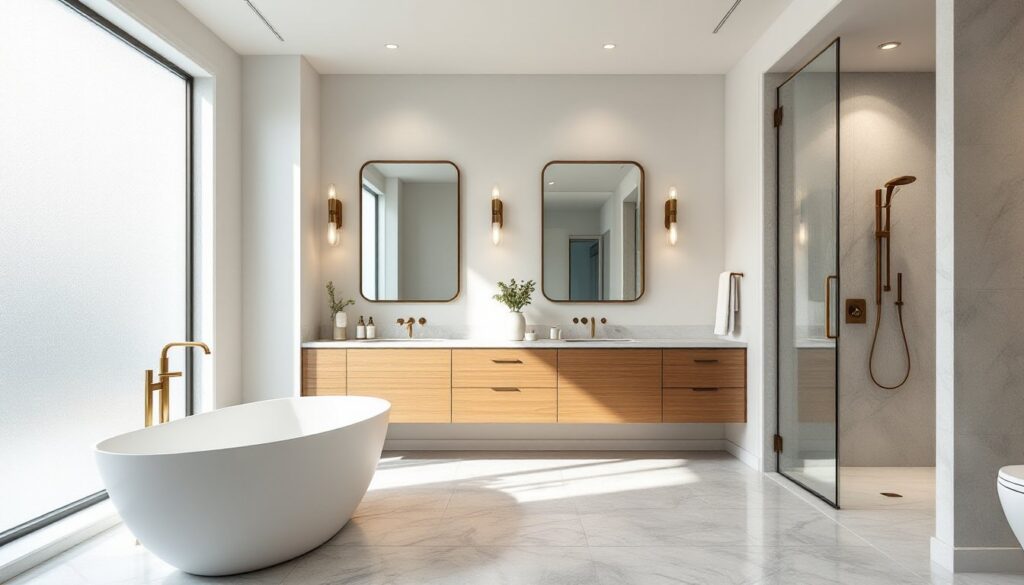
- Spa-inspired open-concept designs are trending in high-end bathrooms, blending floating vanities, freestanding soaking tubs, and zero-threshold walk-in showers into one serene, connected space.
- The ultimate luxury split—a separate walk-in shower with a soaking tub on opposite walls—demands 80–120+ square feet but delivers a true primary suite experience with layered comfort and storage.
- Premium materials like natural stone, large-format tiles, quartz countertops, and brushed brass fixtures elevate luxury master bathrooms, while radiant floor heating and high-capacity ventilation (100–120 CFM) are now expected amenities.
- Built-in storage solutions, integrated dressing areas, and frameless glass enclosures eliminate clutter and maintain the spa-like retreat aesthetic that defines modern luxury bathroom design.
Understanding Master Bathroom Layout Principles
Before diving into specific layouts, grasp the fundamentals that separate a functional bathroom from a true luxury retreat. Square footage matters, but thoughtful planning matters more. Most luxury master bathrooms start at 75–100+ square feet, though exceptional designs maximize smaller footprints.
The clearance rule is your north star: allow at least 21 inches of floor space in front of each fixture (toilet, vanity, tub). Building codes vary by jurisdiction, but the International Residential Code (IRC) sets these minimums. For a spa-like feel, aim for 30+ inches. Next, consider traffic flow. The path from the bedroom door to the toilet, shower, and vanity should feel natural, never cramped or requiring detours.
Natural light and ventilation also shape your plan. Placing the shower or tub near a window (if privacy allows) adds perceived luxury and reduces moisture buildup. Exhaust fans should handle 80 CFM (cubic feet per minute) minimum: larger bathrooms need 100+ CFM. Finally, think about electrical zones. The National Electrical Code (NEC) requires GFCI protection within 6 feet of any sink and defines specific ventilation zones where moisture-rated fixtures belong. These rules aren’t bureaucratic busywork, they prevent shocks and mold.
The Classic Double-Vanity Layout
The double-vanity master bathroom remains the gold standard for couples and busy households. This layout positions two 48–72 inch vanities (or two separate 30–42 inch units) along one wall, with the toilet and shower/tub on opposite or flanking walls. The appeal is obvious: no more morning standoffs over the sink.
For truly luxurious results, space each vanity 30 inches apart minimum, more if you can spare it. Mount mirrors above each vanity independently: floating vanities (mounted 12–15 inches off the floor) create visual lightness and make cleaning easier. Include individual medicine cabinets or open shelving above mirrors for asymmetrical visual interest.
Placement matters. If your master bedroom is on one side of the bathroom door, position the vanities opposite the entry to avoid an awkward “sink stare” as you walk in. Toilet placement should be tucked into an alcove or positioned behind a partial wall for privacy, this elevates the perceived luxury significantly. The shower/tub combo (or separate units) typically occupies the remaining wall. Consider a frameless glass enclosure instead of a shower curtain: it costs more but reads instantly as upscale and doesn’t visually chop up the space. Lighting is crucial: install sconces flanking each mirror (no harsh overhead wash) and add recessed or pendant lighting over the floor area. This layout typically consumes 60–80 square feet and works beautifully in homes with sufficient primary bedroom space.
The Spa-Inspired Open-Concept Design
Modern luxury leans toward the spa aesthetic: open, serene, and layered with high-end materials. This layout abandons traditional compartments and embraces flowing transitions between zones, vanity, toilet, shower, and tub in one connected space.
Start with a low or absent partition between the toilet and the rest of the room. Privacy doors or pocket doors (which slide into the wall instead of swinging out) replace traditional swing doors, preserving sightlines and floor area. Vanities in spa designs often float in the center or against one wall, sometimes paired with an oversized mirror or accent wall in natural stone like marble or slate. Position the soaking tub as a focal point, freestanding models are increasingly popular and add dramatic visual interest. Pair it with a separate walk-in shower featuring a rainfall showerhead and minimal-slope floor drains: tile the entire shower floor and surround to create one cohesive surface without a lip or barrier.
Lighting shifts to ambient and task layers: soft recessed lighting for ambiance, brighter task lights at the vanity, and perhaps a statement pendant or chandelier if the ceiling height permits. Materials play a starring role. Polished concrete, large-format marble tiles, warm woods, and brushed brass fixtures create a designer feel. Ventilation becomes trickier in open plans (humidity travels freely), so invest in a high-capacity exhaust fan (100–120 CFM) and consider a heated towel rack or radiant floor heating to manage moisture. This layout shines in master bathrooms exceeding 100 square feet and works best when the room has high ceilings (9+ feet) to avoid feeling exposed.
The Walk-In Shower With Separate Soaking Tub
The ultimate luxury split: a sprawling walk-in shower and an indulgent soaking tub occupying opposite ends of the bathroom. This layout signals “master suite” and requires 80–120+ square feet.
Position the walk-in shower (minimum 42 × 36 inches, though 60 × 48 is more luxurious) on one long wall. Frame it with a low threshold or zero-threshold design using a proper sloped floor and linear drain system like Schluter-KERDI-LINE or similar (which directs water to a concealed drain along one edge). Install a bench seat, niche shelving for toiletries, and multiple showerheads: a rainfall unit overhead, body jets on the walls, and a handheld option. Frameless glass enclosures showcase premium tile work and keep the space feeling open.
On the opposite wall or adjacent corner, position the freestanding soaking tub, cast iron, acrylic, or stone. These tubs are 65–72 inches long and demand dedicated floor space: pair it with a floor-mounted filler spout and integrated drain. Lay heated marble or large-format tiles around the tub and ensure the floor slopes gently toward the main drain to prevent pooling.
Flank the tub and shower with vanity space, ideally a floating 48–60 inch vanity with generous countertop (quartz, marble, or solid surface) for grooming and product display. Toilet placement should maintain privacy, a partial wall, door, or tucked alcove works well. This layout requires excellent ventilation: use a 120+ CFM exhaust fan with humidity sensors or dual fans for separate zones. Radiant floor heating and heated towel racks become expected amenities at this luxury level, preventing condensation and adding comfort.
Storage Solutions And Dressing Areas
Luxury bathrooms integrate seamless storage and sometimes a dedicated dressing or makeup area. Clutter kills the spa feel, so built-in solutions are essential.
Floating shelves, recessed niches, and custom cabinetry keep counters clear. A vanity with deep drawers (soft-close hardware) organizes daily essentials: open shelving displays rolled towels, candles, and premium grooming products. Consider a walk-in closet or dressing room adjacent to the bathroom if space and home layout allow. This transition zone contains a vanity mirror, clothing storage, and a comfortable seating area, blurring the line between bathroom and bedroom.
Medicine cabinets have evolved beyond the standard mirror-door. Recessed units in large-format tile, or frameless glass-door cabinets, maintain visual continuity. If the master bathroom opens to an adjoining bedroom, a shared walk-in closet and dressing area create a cohesive primary suite. Designers at Elle Decor regularly feature luxury master baths with integrated dressing spaces, showing how natural materials and careful cabinetry unify the zones. Heated towel racks double as storage and add warmth, mount them near the shower or tub. Linen closets within the bathroom (or a small alcove with tiered shelving) store towels, robes, and extra supplies, keeping them steps away but out of sight.
Luxury Materials And Fixture Placement
High-end master bathrooms are defined as much by materials as by layout. Natural stone, marble, granite, limestone, dominates floors and walls, chosen for durability and aesthetic impact. Polished marble reads as timeless luxury: honed marble offers a subtle, modern feel: tumbled stone adds rustic elegance. Ensure stone is properly sealed (every 1–3 years for marble) and understand that lighter stones show water spots unless treated with protective finishes.
Large-format tiles (24 × 48 inches or larger) minimize grout lines and amplify the space visually. Matte finishes feel more contemporary: glossy tiles work in wet zones like shower walls. Quartz and engineered stone countertops resist staining and scratching better than marble, making them practical for daily use while maintaining a luxury appearance.
Fixture placement reflects design intent. Wall-mounted faucets and fixtures preserve sightlines and simplify cleaning. Freestanding tubs sit away from walls, becoming sculptural centerpieces. Rainfall showerheads mounted high (85+ inches) and set back from the shower wall create a luxurious cascade effect. Body jets and handheld wands add practicality.
Finish choices matter enormously. Brushed brass, matte black, and polished nickel are current luxury standards. Avoid chrome in high-end designs, it reads as dated. Supply lines and drains should be concealed through walls or floors where possible. Consider premium brands known for durability: Kohler, Hansgrohe, and Watermark offer luxury fixtures with solid warranties and sophisticated aesthetics. A master bathroom renovation in Brooklyn featured in Remodelista showcases how fixture selection and placement elevate a space from functional to resort-like. Finally, radiant floor heating (electric or hydronic) is no longer a luxury add-on, it’s becoming an expectation in premium bathrooms, offering comfort and preventing slippery surfaces after hot showers.
Conclusion
Luxury master bathroom floor plans in 2026 prioritize both design and livability. Whether you choose a classic double-vanity layout, spa-inspired open concept, or indulgent shower-and-tub split, success hinges on understanding spatial principles, respecting building codes, and investing in durable, beautiful materials. Efficient ventilation, ample storage, and thoughtful fixture placement transform a bathroom into a genuine retreat. Start by measuring your space, researching local codes, and defining your lifestyle priorities, then select a layout that resonates with how you actually use the room.