Table of Contents
ToggleTiny doesn’t have to mean sparse. A well-designed luxury tiny house interior proves that square footage and sophistication are separate conversations. Homeowners increasingly embrace compact living without sacrificing upscale finishes, thoughtful layouts, or the comfort they’d expect in a larger home. Whether you’re downsizing, testing a minimalist lifestyle, or simply want to prove that good design thrives in constraint, understanding how to layer premium materials, smart storage, and intentional lighting into a limited footprint becomes essential. This guide walks through the specific strategies, material choices, furniture selection, color psychology, and spatial tricks, that transform a tiny space into a refined sanctuary.
Key Takeaways
- A luxury tiny house interior prioritizes premium materials and thoughtful design over square footage, using solid wood, quartz countertops, and quality fixtures to create sophistication in limited space.
- Minimalist luxury design in compact homes relies on multi-functional furniture, wall-mounted storage, and floor-to-ceiling cabinetry to maximize space while maintaining clean visual lines.
- Layered lighting with dimmers, pendant lights, and wall sconces—combined with light neutral base colors and strategic accent walls—reshapes a tiny space and enhances its perceived elegance.
- Every furniture piece must earn its place through function or form; choose leggy, streamlined items like nesting tables, floating desks, and low-profile beds that allow light and air to flow underneath.
- Curated storage solutions that blend seamlessly with design, such as built-in cabinetry, under-bed drawers, and selective open shelving displays, eliminate clutter while enhancing the luxury aesthetic.
Maximizing Space With Minimalist Luxury Design
Minimalist luxury is not about owning nothing: it’s about owning exactly what serves you and nothing more. In a tiny house, this philosophy becomes both an aesthetic and a practical survival skill. Start by identifying the functions each room must serve, then select pieces and finishes that perform multiple roles without visual clutter.
Wall-mounted shelving replaces chunky bookcases. Open shelving with consistent backing (plywood painted in a single, high-quality finish) creates breathing room while displaying curated objects. Install shelves at ceiling height, this draws the eye upward and makes the space feel larger without eating into floor area.
Floor-to-ceiling storage in corners uses dead space efficiently. A tall cabinet with deep shelves hides bulk while maintaining clean lines. Choose natural wood, matte lacquer, or sleek metal frames: avoid busy patterns or mismatched finishes that break visual flow.
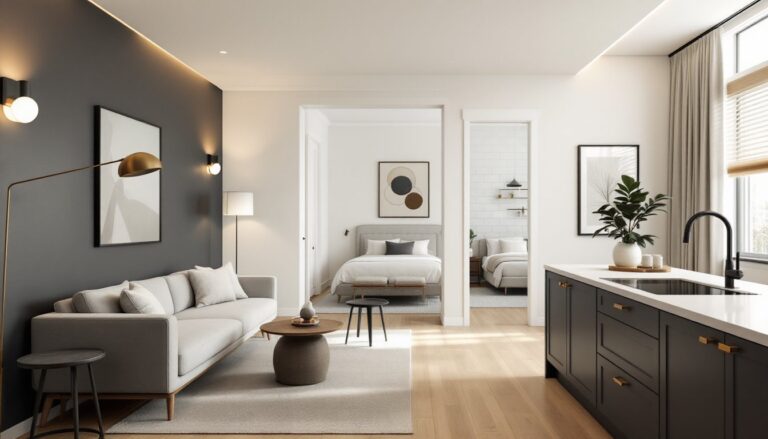
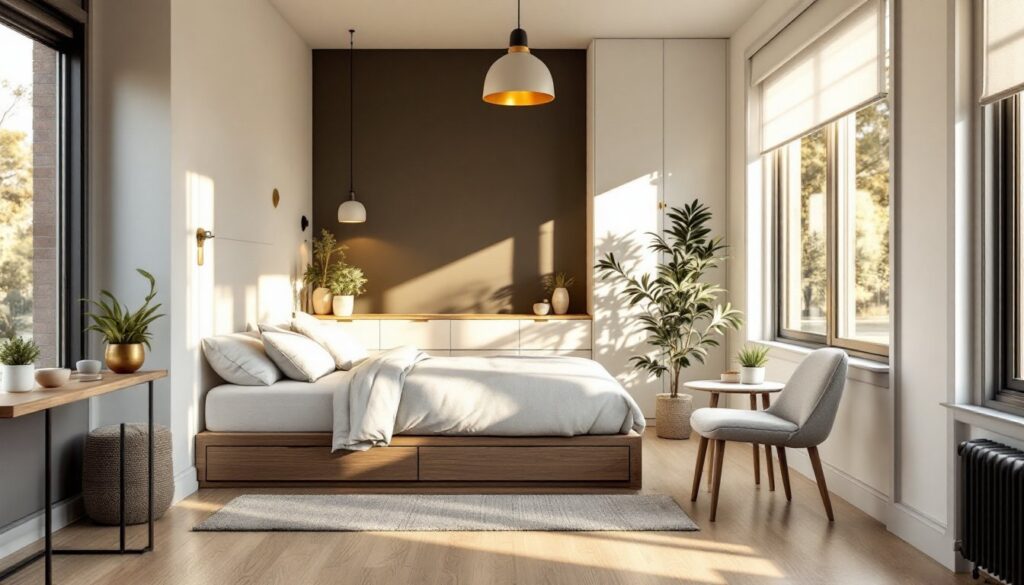
Wall color matters enormously in a compact footprint. Light, neutral palettes, soft whites, warm grays, or muted beiges, expand perception. A single accent wall in deep charcoal or navy can anchor a room without overwhelming it. Avoid color blocks and stripes that chop the space into smaller pieces.
Premium Materials and Finishes for Tiny Homes
In a luxury tiny house, material quality speaks louder than quantity. You’ll use fewer pieces, so each one should feel substantial and refined. Solid wood, oak, walnut, or ash, develops character over time and feels more valuable than veneer or laminate. Reclaimed wood accents, like a floating shelving unit or a headboard wall, add authenticity without taking up floor space.
Quartz or natural stone countertops are standard for kitchen areas, even in small kitchens. They resist scratching and staining, require minimal upkeep, and telegraph luxury instantly. Engineered quartz offers consistency and durability: natural stone (granite, marble, soapstone) shows veining and warmth but demands more careful sealing and maintenance. Budget for professional installation, countertops are not a DIY shortcut in a luxury space.
Luxury vinyl plank (LVP) flooring has matured significantly and now mimics hardwood convincingly while tolerating moisture and foot traffic better. Look for thicker planks (7–9 mm) with realistic grain variation and a matte or satin finish rather than high-gloss, which shows footprints and dust. Alternatively, engineered hardwood (a veneer of solid wood over plywood) offers authenticity at a lower cost than solid hardwood and better moisture tolerance in compact kitchens or bathrooms.
Selecting Quality Fixtures and Hardware
Faucets, cabinet hardware, and light fixtures are jewelry in a small space. Spend on matte black or brushed brass hardware rather than shiny chrome, which reads as cheaper and shows fingerprints constantly. A single, cohesive metal finish throughout, whether it’s matte black, brushed nickel, or warm brass, creates visual harmony and feels intentional.
For kitchen and bathroom faucets, choose single-lever or touchless models in solid brass or stainless steel. These offer durability and easy cleaning. Avoid trendy finishes that may not hold up or look dated in five years. Hinges and cabinet closures should be soft-close mechanisms: this small detail eliminates slamming, reduces noise in a compact footprint, and feels noticeably more refined.
Smart Storage Solutions That Enhance Aesthetics
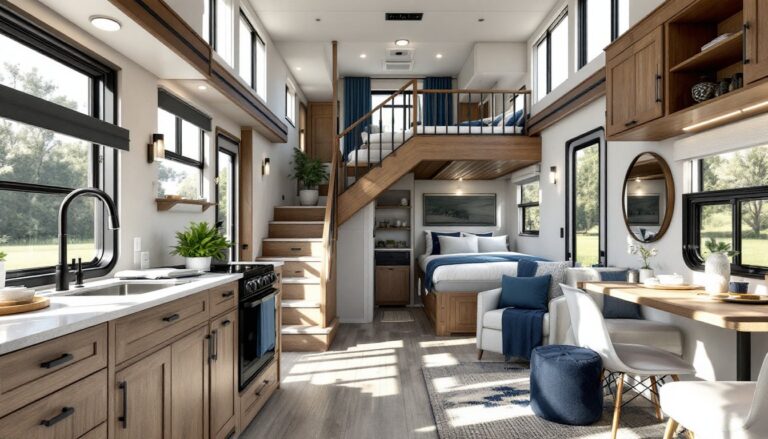
Storage in a luxury tiny house isn’t hidden shamefully behind closed doors, it’s integrated into the design itself. Built-in cabinetry that runs floor-to-ceiling, even if it’s only 12 inches deep, maximizes every inch while creating a custom, high-end appearance. Paint it the same color as the walls to blend it in, or use a contrasting finish to celebrate it as a design feature.
Under-bed storage is essential but should be concealed. Use platform beds with drawers built underneath rather than scattering plastic bins around. Similarly, ottomans with hidden storage, benches at the foot of beds, and window seats with hinged lids serve double duty without adding visual clutter.
In a compact kitchen, wall-mounted magnetic strips for knives, hanging S-hooks for utensils, and pull-out spice racks inside cabinet doors maximize storage without dedicated drawer space. Vertical dividers inside cabinets keep dishes and cookware organized and accessible. Lazy Susans in corner cabinets eliminate dead space.
Displaying items selectively, a few books, a curated collection of ceramics, or plants on open shelving, feels intentional and luxurious. Storage that’s purely functional (bulky appliances, seasonal items, cleaning supplies) lives behind closed doors. The visible surfaces should tell a story about who lives there, not broadcast clutter.
Lighting and Color Palettes for Upscale Tiny Interiors
Lighting in a luxury tiny house should be layered, dimmer-capable, and intentionally placed to reshape the space. Overhead fixtures alone feel institutional and flat. Instead, combine ambient light (softly diffused overhead, often on a dimmer), task lighting (focused on work areas), and accent lighting (highlighting architectural features or art).
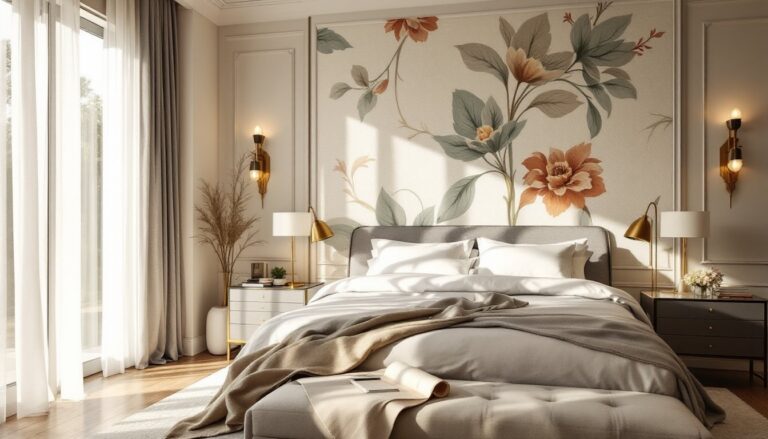
Pendant lights over a kitchen island or dining table serve as both functional task lighting and sculptural design elements. Choose brass, matte black, or natural wood finishes that match your hardware palette. Wall sconces flanking a bedroom headboard or a bathroom mirror add sophistication and reduce reliance on harsh overhead light.
Color palettes in a small luxury space should feel cohesive but not monotonous. A base of light neutrals (soft white, greige, warm gray) allows accent colors to land without overwhelming the room. If you introduce a deeper hue, forest green, charcoal, or a muted terracotta, reserve it for a single accent wall, a cabinet grouping, or textiles. Avoid color saturation that screams instead of whispers.
Warm white bulbs (2700K color temperature) in dimmers create intimate evenings: cooler tones (3000K) work better for kitchens and task areas. Natural light is a luxury in any home, so prioritize window treatments that frame views while allowing daylight in. Linen roller shades or simple wooden blinds feel upscale without theatrical layering.
Furniture Selection for Limited Square Footage
Every piece of furniture in a luxury tiny house should earn its place through function, form, or both. Oversized sectionals and bulky dressers don’t belong: instead, choose leggy, streamlined pieces that let light and air flow underneath.
Nesting tables replace a single large coffee table and can be pulled apart as needed. A slim console table behind a sofa (if you have one) creates a desk surface or display ledge without bulk. Chairs with exposed frames feel lighter than upholstered cubes. A low-profile bed frame, whether platform or minimal slatted, visually anchors the bedroom without dominating it.
Multi-functional pieces become non-negotiable. A storage ottoman doubles as seating and stashing. A floating desk mounted to the wall takes up zero floor space. A murphy bed or wall bed creates a living area by day and sleeping area by night, though this requires professional installation and permits in many jurisdictions.
Material and finish matter as much as silhouette. Upholstery in natural linen, wool, or quality performance fabrics reads expensive and wears better than synthetic blends. Leather (full-grain or high-quality bonded) on a small chair or ottoman feels luxe. Wood pieces should be solid construction with visible joinery or grain, not veneered particleboard.
Designers curating luxury tiny homes for sale often choose pieces with clean lines and minimal ornamentation, think mid-century modern or Scandinavian minimalism rather than ornate traditional styles. These aesthetics age better and pair well with modern finishes like brushed metal or matte lacquer. Luxury modular homes sometimes come with custom furniture packages: ensure the pieces can transition if you decide to move or reconfigure the layout.
Conclusion
Building a luxury tiny house interior requires discipline and intention, but the payoff is a space that feels cultivated rather than cramped. Layer quality materials, curate furnishings ruthlessly, and let light and negative space do the heavy lifting. The result isn’t just a small home, it’s a refined sanctuary that proves luxury and constraint can coexist beautifully. Start with one room, apply these principles consistently, and watch how a thoughtful approach to every detail transforms a compact footprint into something extraordinary.